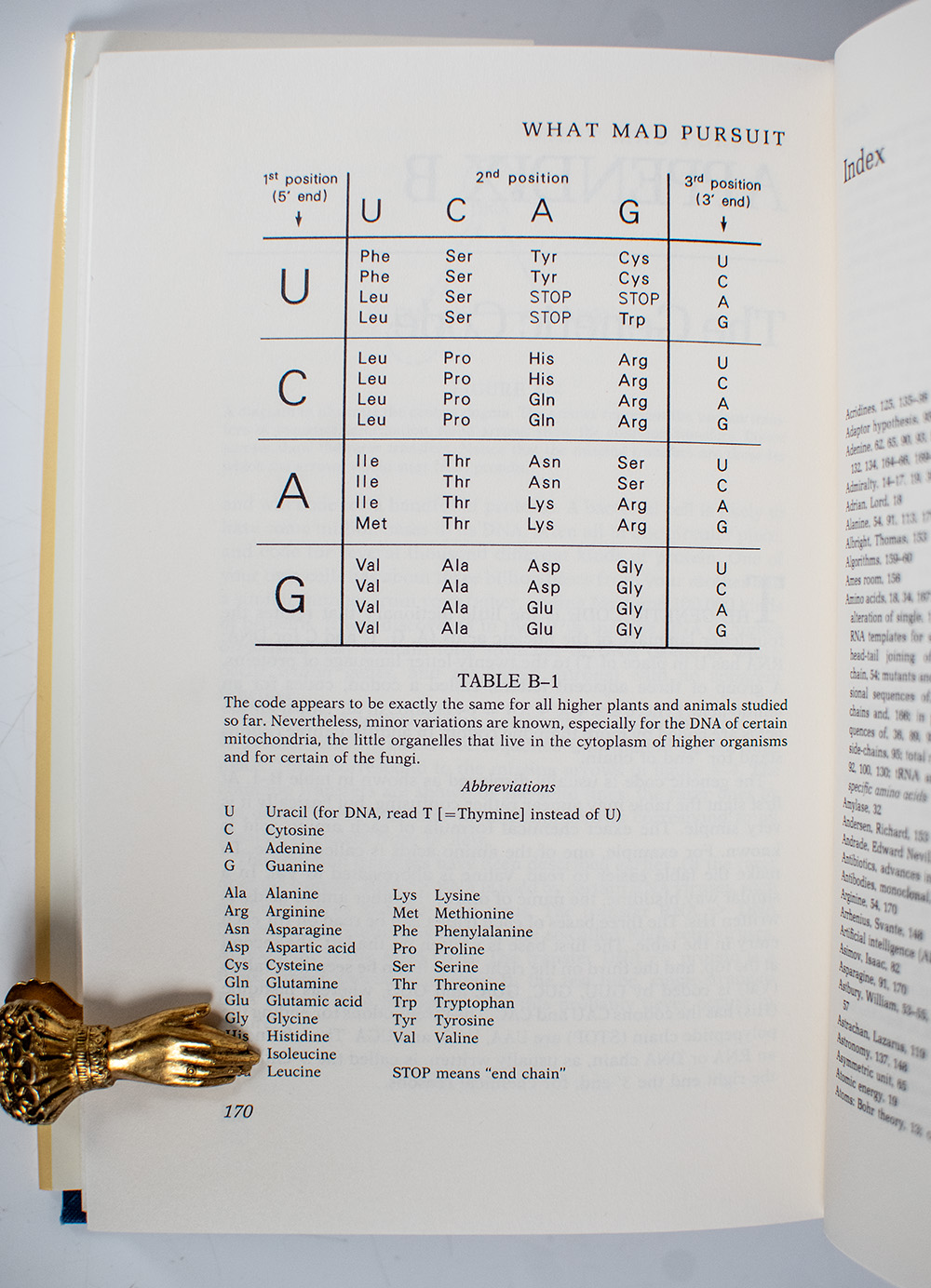
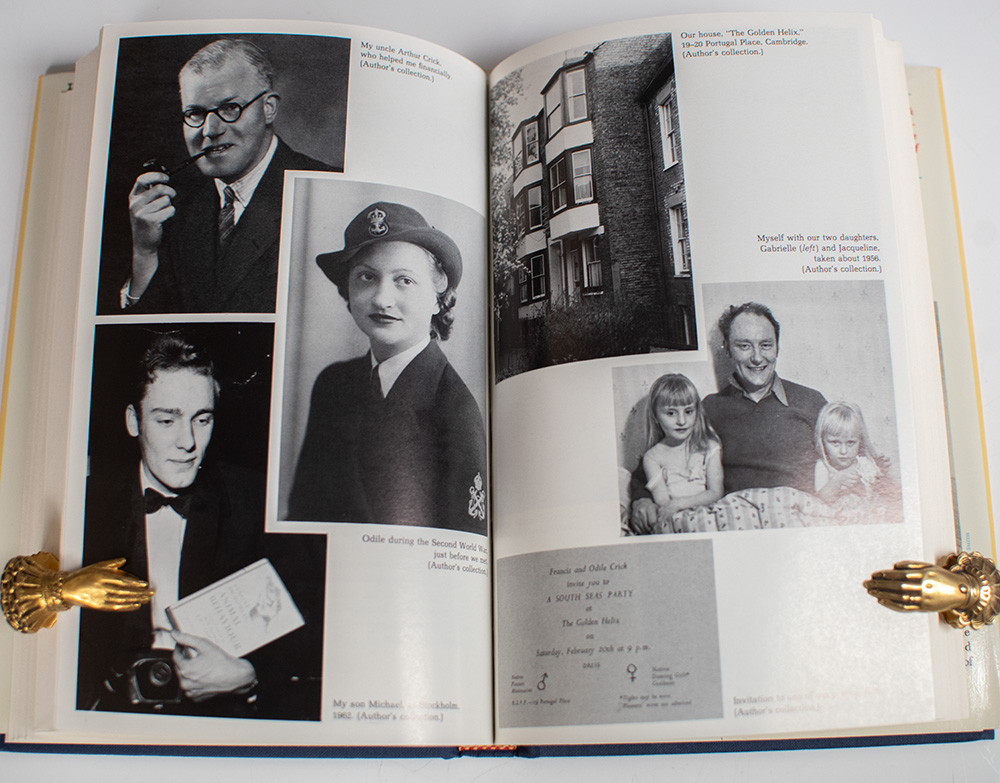
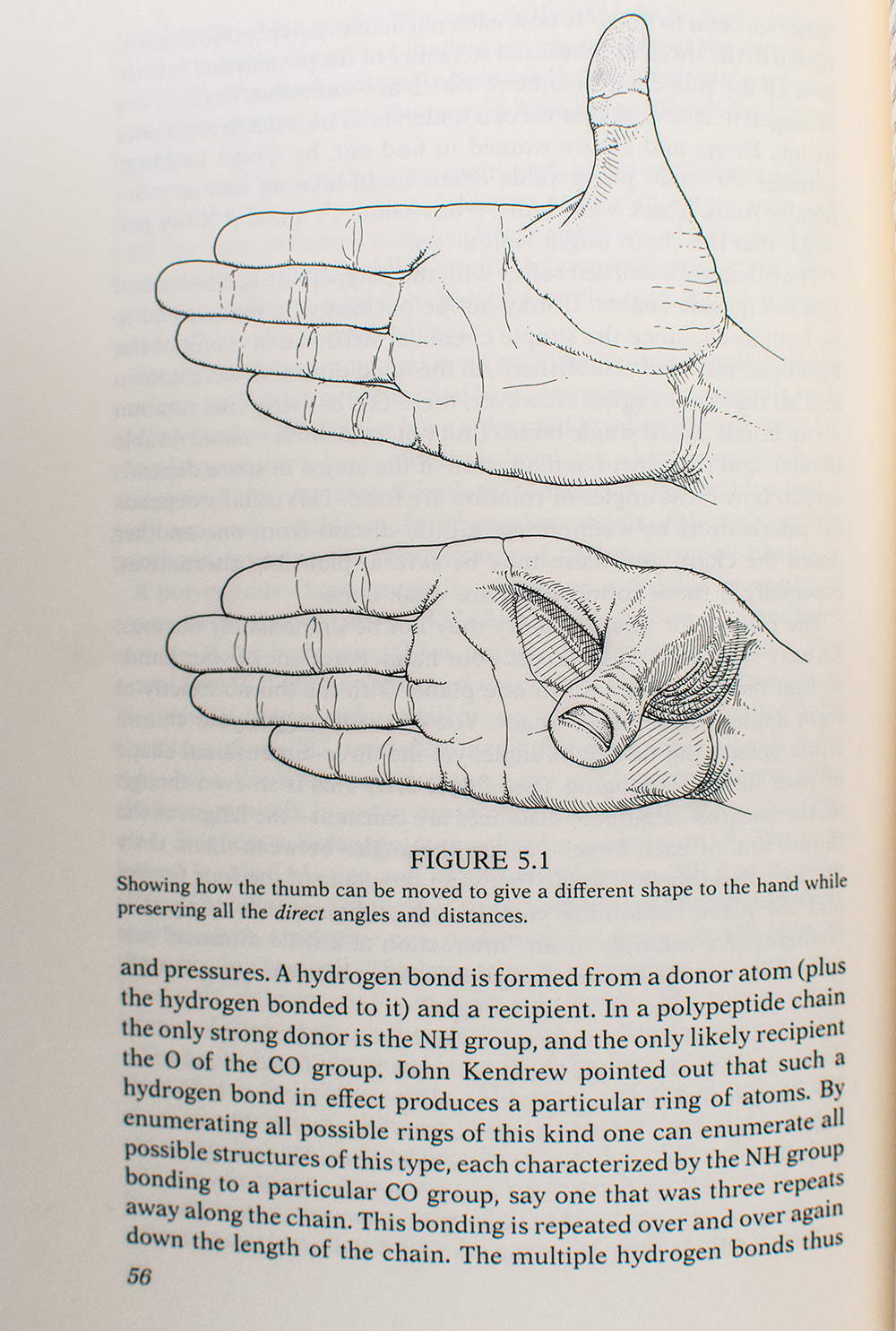
CRICK, Francis.
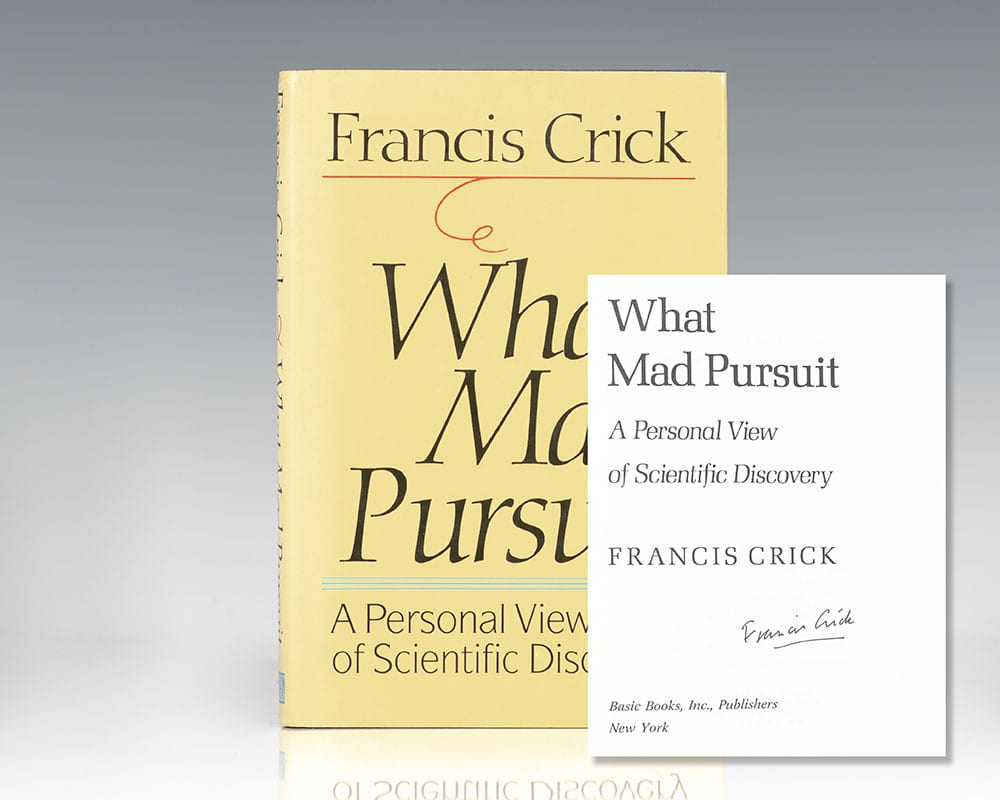
What Mad Pursuit: A Personal View of Scientific Discovery.
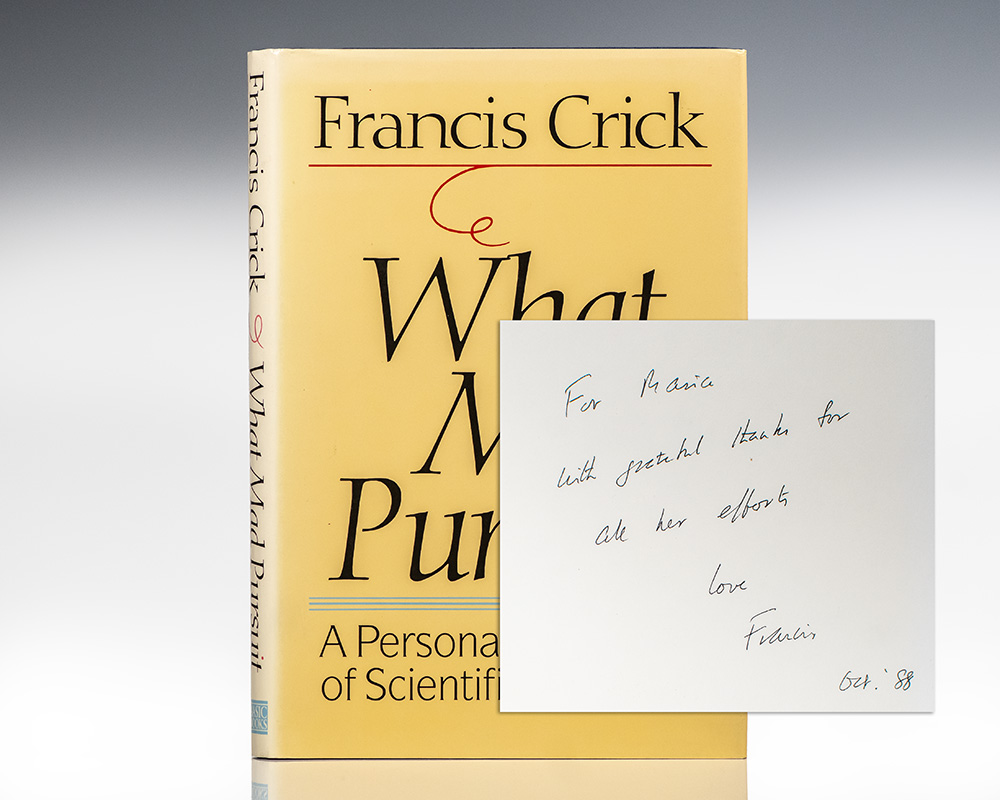
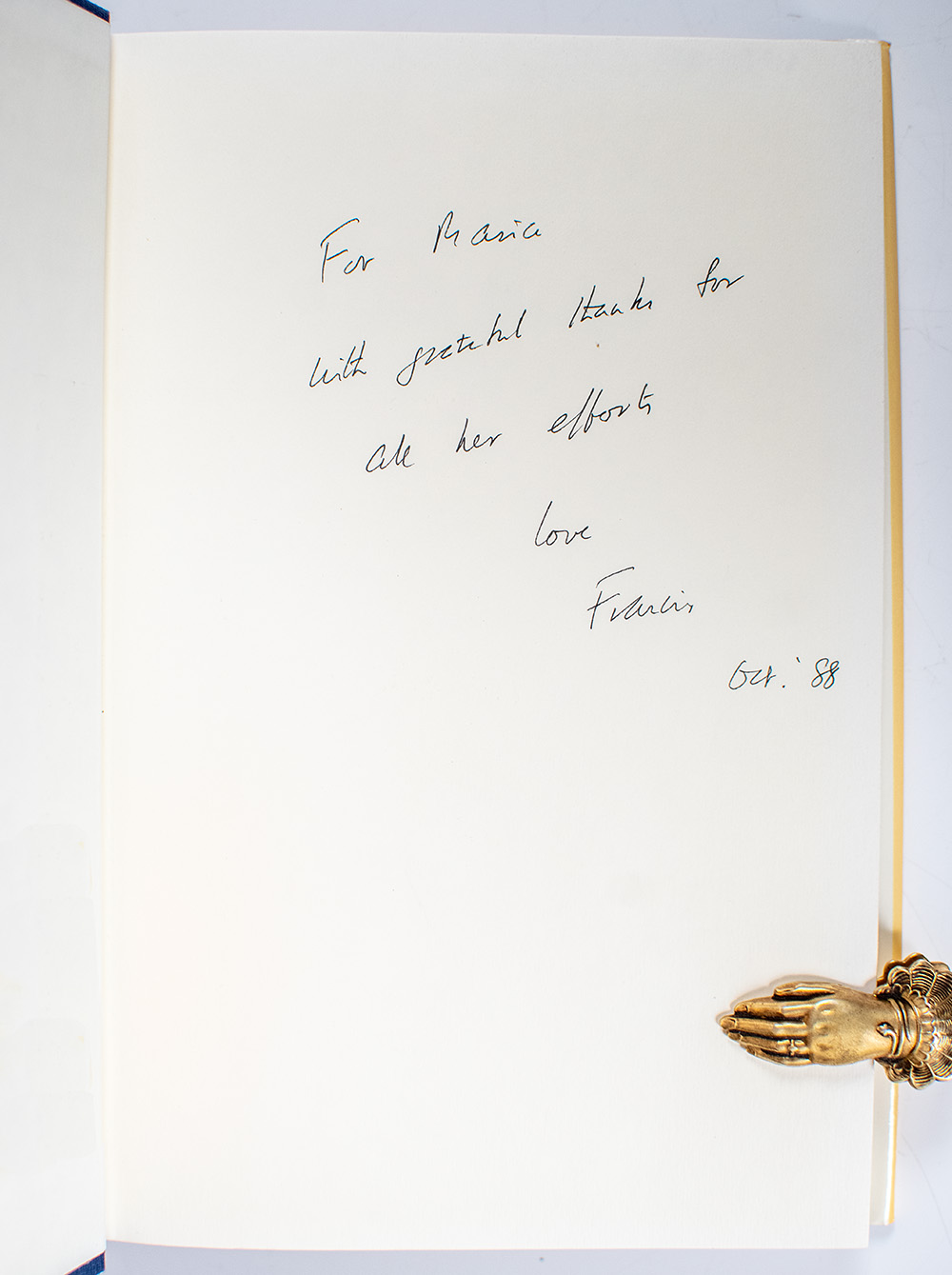
First Edition of Francis Crick's What Mad Pursuit: A Personal View of Scientific Discovery; inscribed by Him in the year of publication to his secretary and lover
New York: Basic Books, Inc., Publishers, 1988.
$3,000.00
In Stock
Item Number: RRB-148918
* Custom Clamshell Boxes are hand made by the Harcourt Bindery upon request and take approximately 60 days to complete
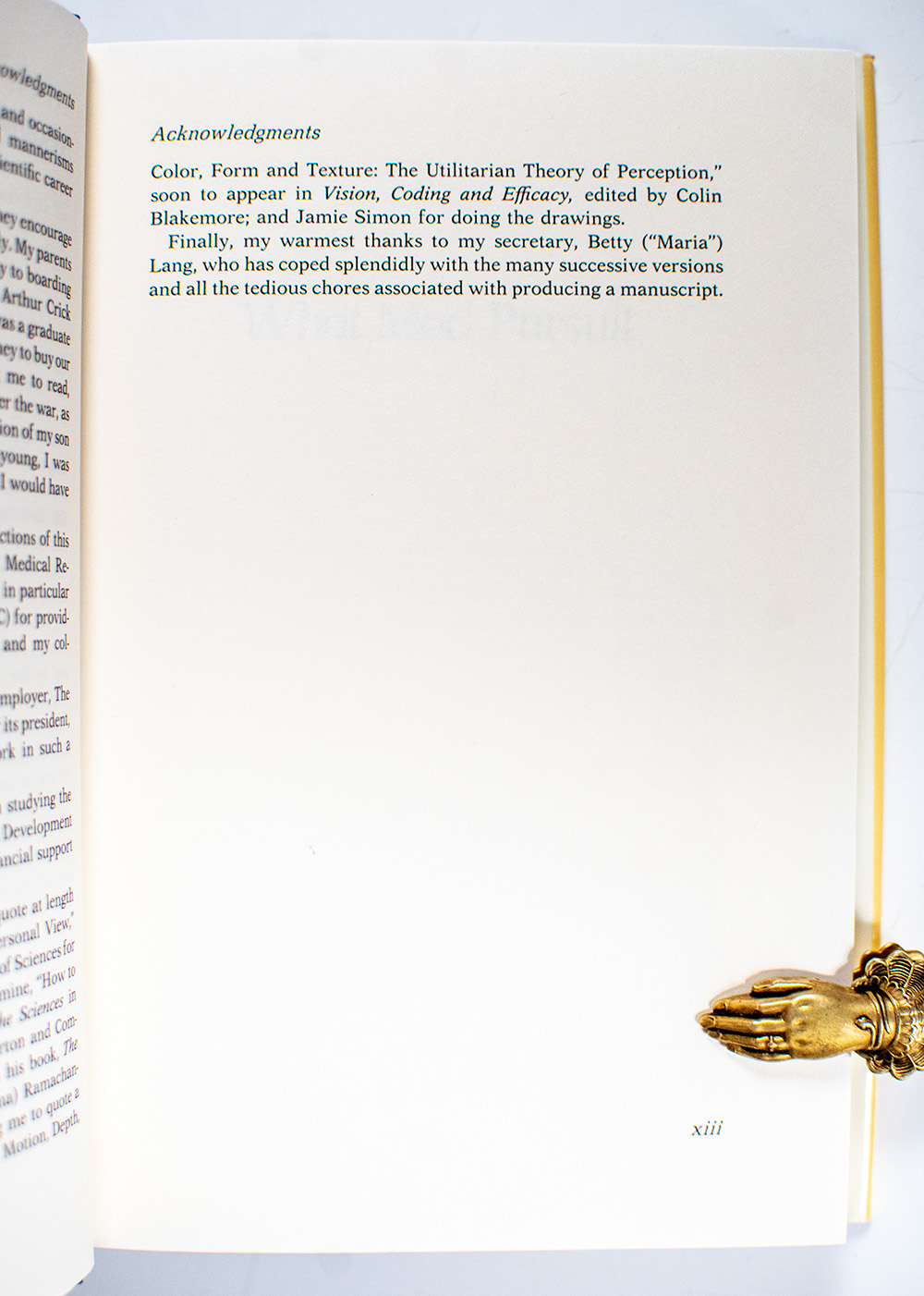
First edition of Crick's autobiography. Octavo, original cloth, illustrated. Association copy, inscribed by Francis Crick in the year of publication to his personal assistant on the front free endpaper, "For Maria with grateful thanks for all her efforts love Francis." The recipient was also thanked in the acknowledgements on page xiii, "Finally, my warmest thanks to my secretary, Betty ("Maria") Lang, who has coped splendidly with the many successive versions and all the tedious chores associated with producing a manuscript." Maria Lang was employed at the Salk Institute from 1977 to her retirement in 1994, where her organizational skills and dedication facilitated Crick’s research activities. Crick, an advocate of open marriage, enjoyed with Lang a sexual relationship between 1981 and 1992. Fine in a near fine dust jacket. Jacket design by William Davis. A remarkable association.
What Mad Pursuit: A Personal View of Scientific Discovery.
$3,000.00
In Stock
Other Books by this Author
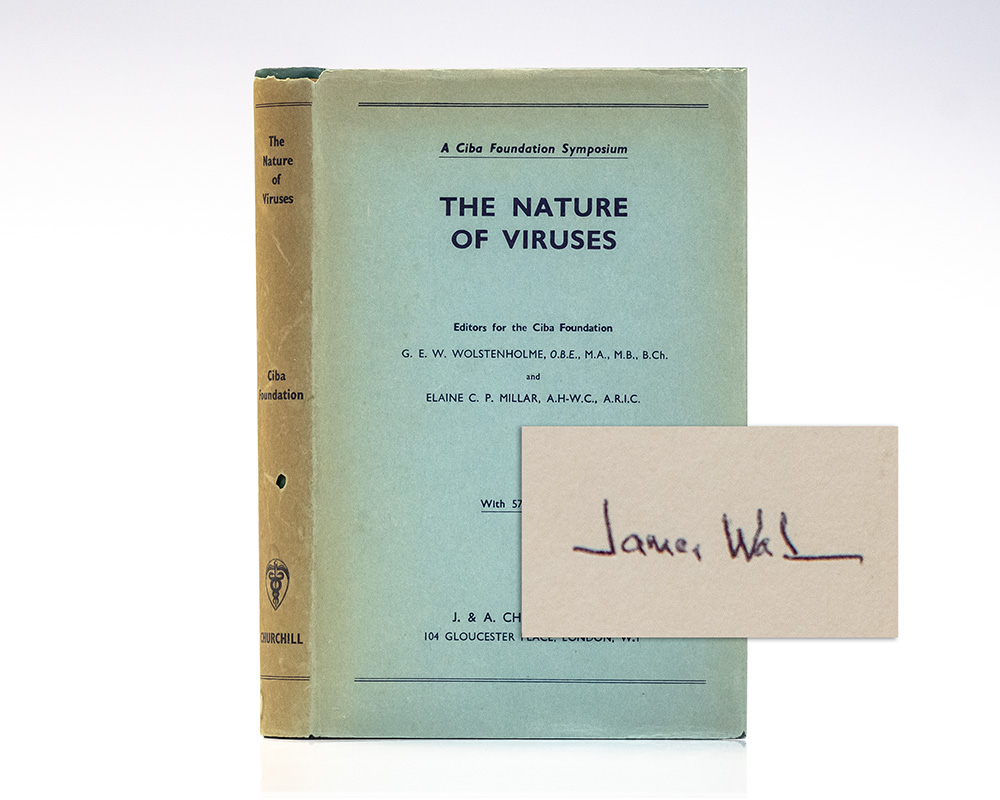
![1962 Nobel Prize-Winning Scientists Signed Photograph. [James D. Watson, Francis Crick and Maurice Wilkins Signed Photograph].](https://raptis.bvbeta.com/wp-content/uploads/2025/12/RRB-138937-1024x726.jpg)