
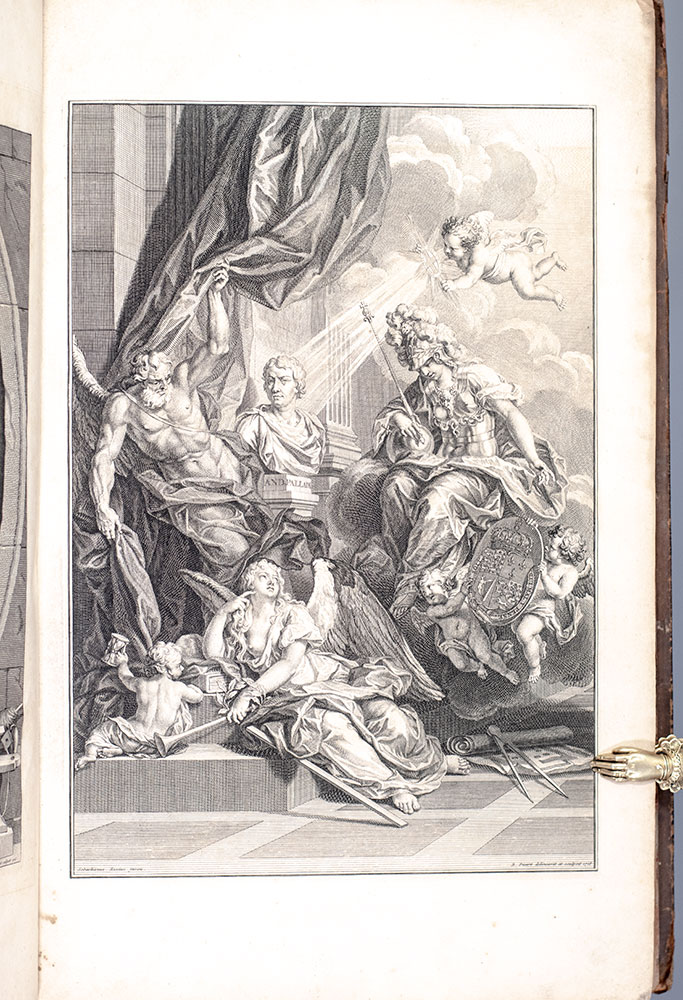
Known for his magnum opus, The Human Comedy, Honoré de Balzac was one of those natural born talents that constantly went against the mold. As a child, his headstrong personality caused him much frustration as he navigated his way through grammar school. Shortly after graduation, Balzac took an apprenticeship in a law office but soonContinue reading “The Life and Works of Honoré de Balzac”
Category Archives: Authors
Top 5 Rare Holiday Books
1. The Christmas Books by Charles Dickens The only reason to shout “Bah! Humbug!” at this collection is when you’re trying to decide which book to read first! The entire first edition set of Charles Dickens’ Christmas Books include A Christmas Carol (first issue), The Chimes, The Battle of Life, Cricket on the Hearth, andContinue reading “Top 5 Rare Holiday Books”
“The Republic of Plato” In Ten Books.
Written in 380 BC, The Republic is considered one of the Plato’s best works and a major staple for Western philosophical and political thought. The work was alternatively titled On Justice by ancient readers, as the main theme aims to find the perfect definition of justice in regards to both the individual and the city-state.Continue reading ““The Republic of Plato” In Ten Books.”
Alexander Pope & His Famous Translations of Homer’s Iliad and Odyssey
Alexander Pope taught the world that to be inspired by greatness could earn you your own name in history. In addition to his credentials as the third most quoted literary figure by The Oxford Dictionary of Quotations, topped only by Shakespeare and Tennyson, and a celebrated poet and essayist, Pope is best known for hisContinue reading “Alexander Pope & His Famous Translations of Homer’s Iliad and Odyssey”
Adam Smith’s The Wealth of Nations
“First and greatest classic of modern economic thought”: First Edition of Adam Smith’s Wealth of Nations American economist and historian Robert L. Heilbroner writes about Adam Smith’s influence on capitalism: Adam Smith’s enormous authority resides, in the end, in the same property that we discover in Marx: not in any ideology, but in an effortContinue reading “Adam Smith’s The Wealth of Nations”
Captain Cook’s Voyages

Considered “really the first scientific navigator,” Captain James Cook made invaluable contributions to European knowledge of the Pacific Ocean, which he sailed for 12 years in 3 voyages. His accomplishments include the first recorded contact with Australia and the Hawaiian Islands, as well as the first recorded circumnavigation of New Zealand. Within these achievements, however,Continue reading “Captain Cook’s Voyages”
Don Quixote de la Mancha and the Life of Cervantes
Miguel de Cervantes Saavedra led a life as fascinating as the characters in his novels, poems, and plays. Having spent much of his early life in Rome, Italy, Cervantes became enraptured in a Renaissance dream of art, architecture, and poetry. It was during this period of his life that the author became obsessed with capturingContinue reading “Don Quixote de la Mancha and the Life of Cervantes”
American Presidents
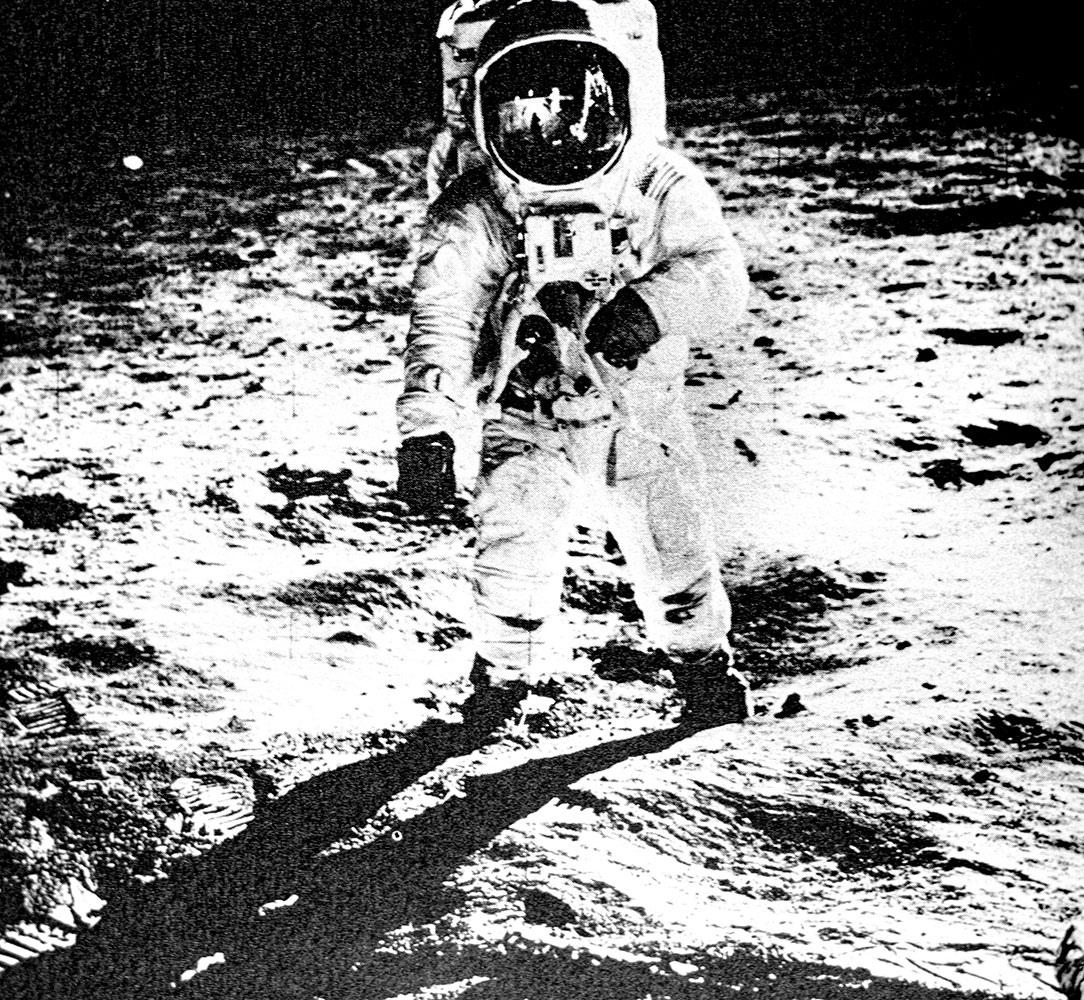
United States Presidents have carried out countless important acts for our country, including the Fifteenth Amendment in 1870 that allowed US citizens of any race or color to vote in any state, the New Deal relief programs that helped the country out of its Great Depression in the 1930s, and the initiation of Project Apollo,Continue reading “American Presidents”
Charles Dickens & His Works
More than a famed writer and social critic of the Victorian period, Charles John Huffam Dickens touched the lives of people with the very human complexity of his fictional characters. Through his critically acclaimed novels, Dickens invoked profound thought and criticism around “social evils, injustice, and hypocrisy.” In a commentary on a rare, extensive collectionContinue reading “Charles Dickens & His Works”
Isaac Newton’s The Mathematical Principles of Natural Philosophy
Einstein describes Newton’s The Mathematical Principles of Natural Philosophy: “”Newton’s Principia is generally described as the greatest work in the history of science. Copernicus, Galileo and Kepler had certainly shown the way; but where they described the phenomena they observed, Newton explained the underlying universal laws. The Principia provided the greatest synthesis of the cosmos,Continue reading “Isaac Newton’s The Mathematical Principles of Natural Philosophy”