
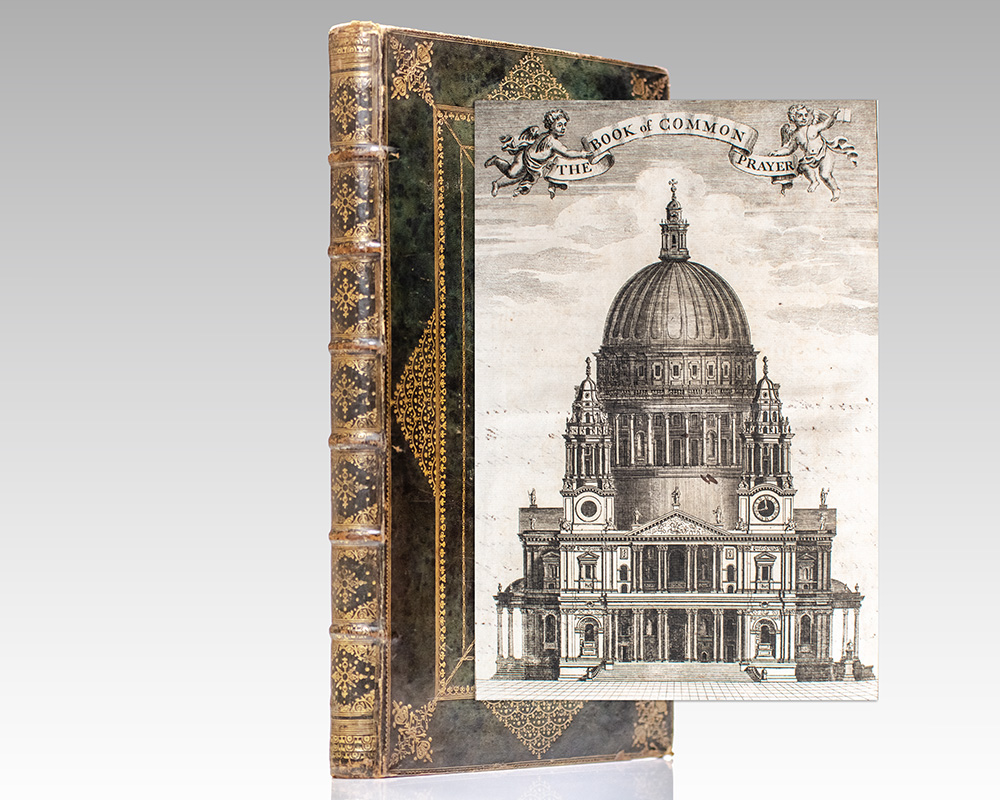



The Book of Common Prayer, and Administration of the Sacraments, and other Rites and Ceremonies of the Church, According to the Use of the Church of England: Together with the Psalter, or Psalms of David, Pointed as they are to be sung or said in Churches: And the Form or Manner of Making, Ordaining, and Consecrating of Bishops, Priests, and Deacons.
London: Printed by Thomas Baskett, Printer to the King's most Excellent Majesty , 1751.
$4,800.00
In Stock
Item Number: RRB-149524
+$450
Rare 18th century English Book of Common Prayer and Administration of the Sacraments; Printed by Thomas Baskett and from the library of John Bird Sumner, Archbishop of Canterbury
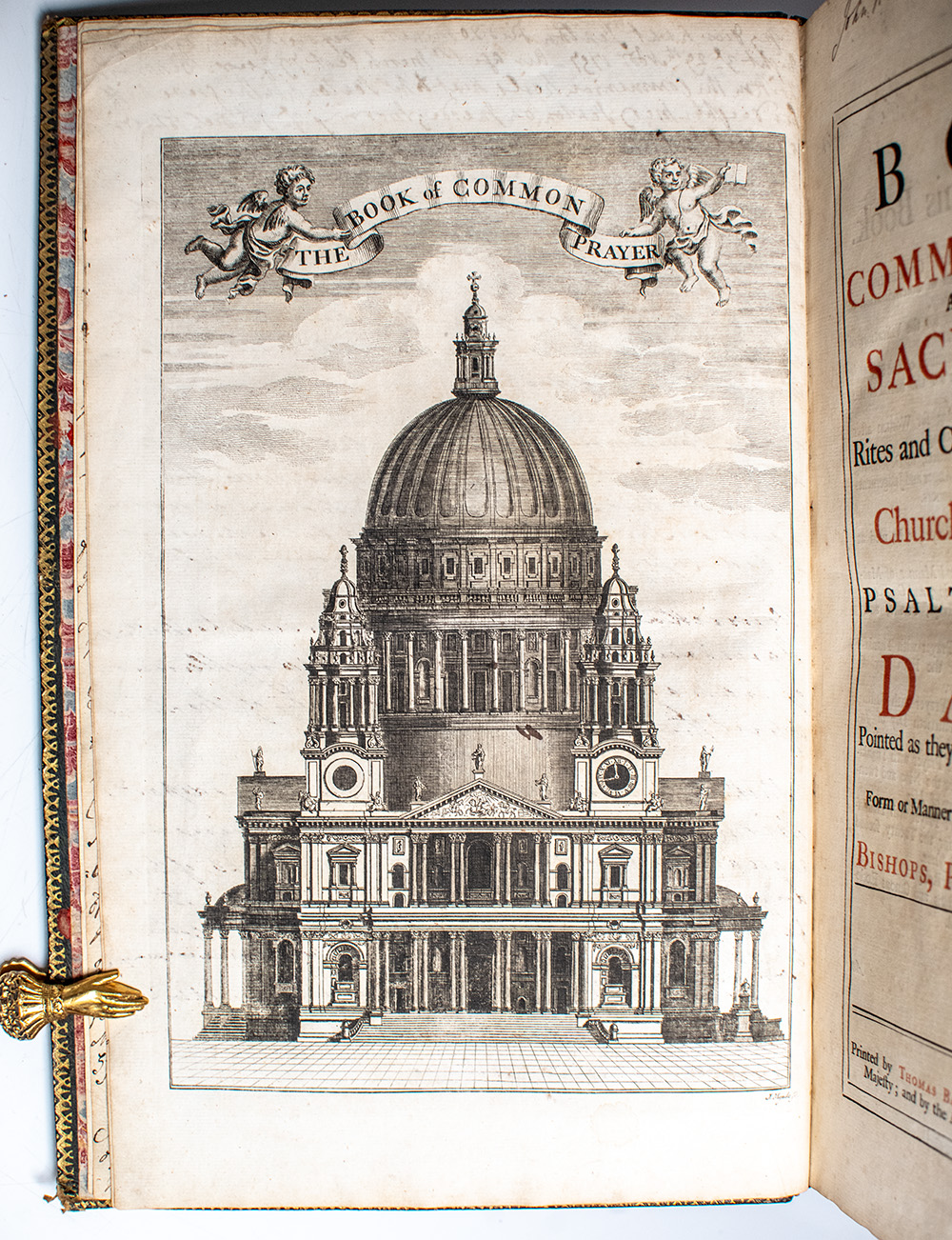
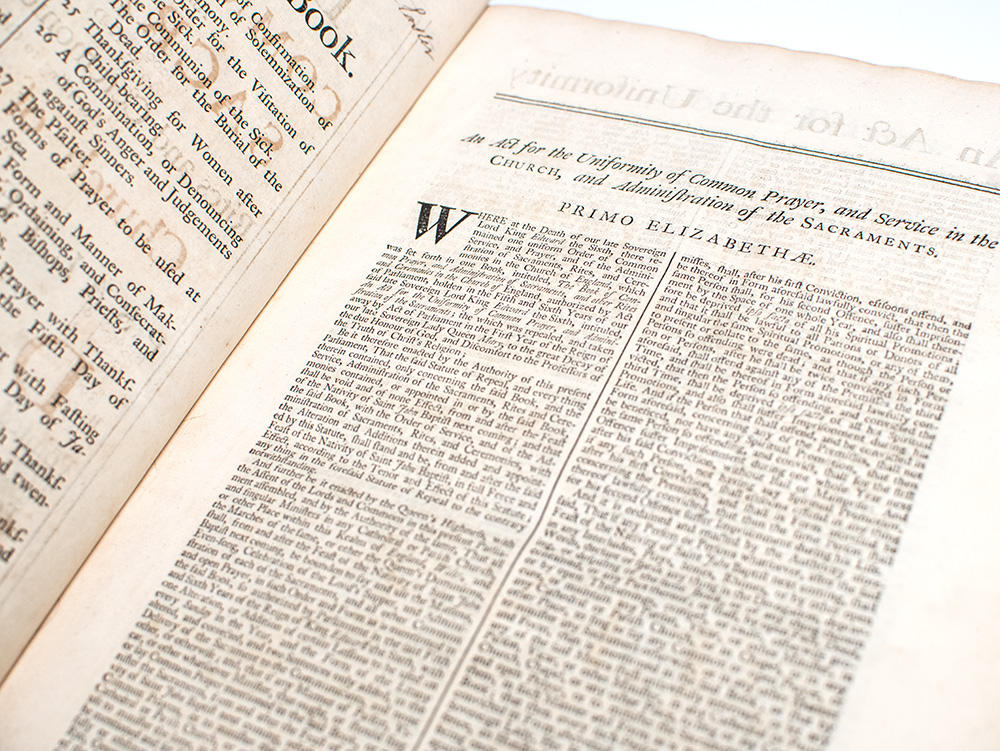
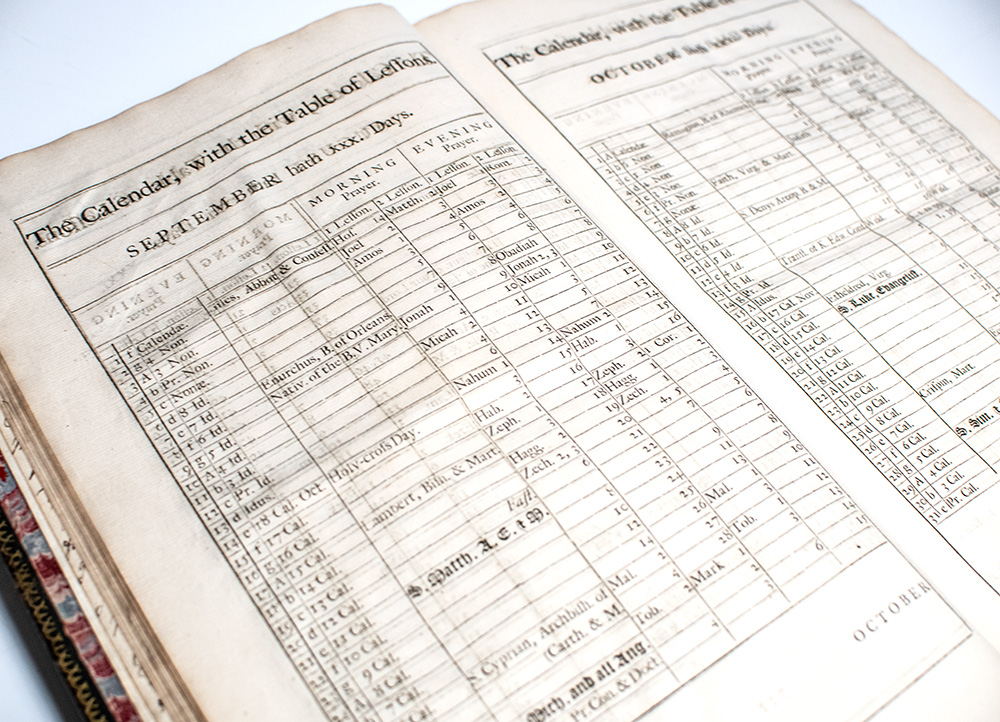
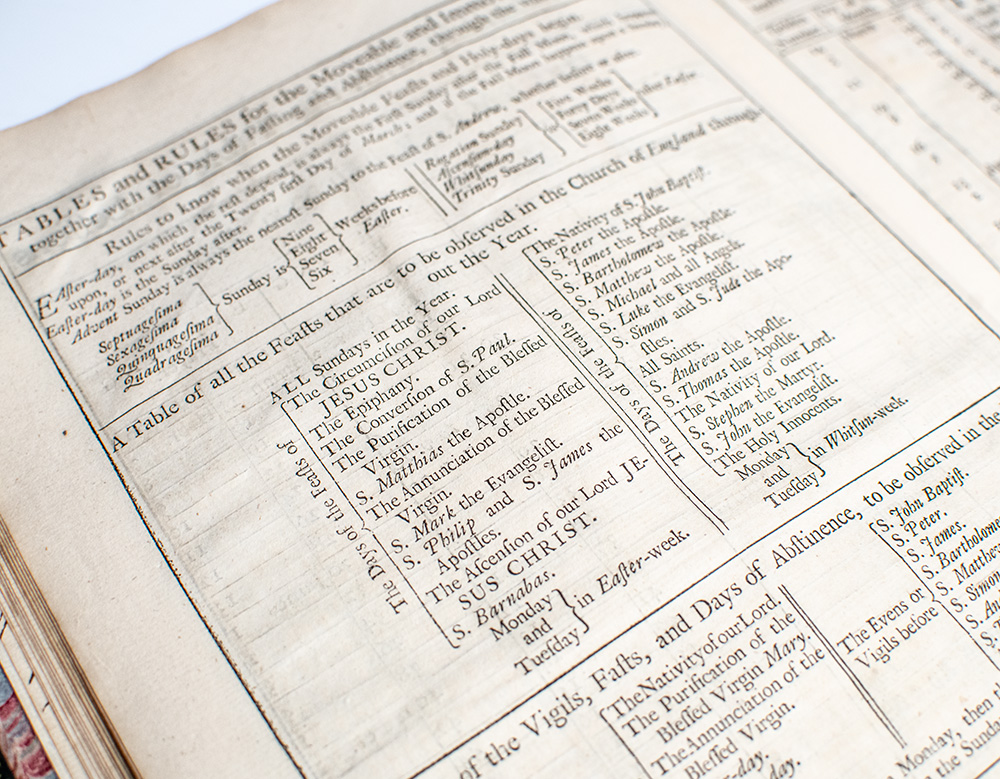
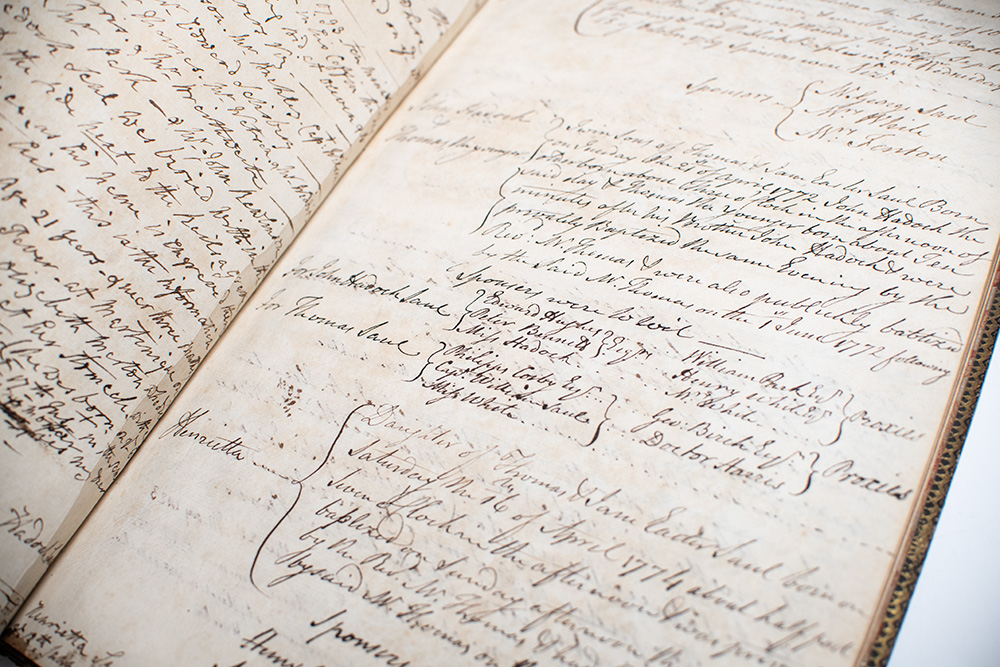
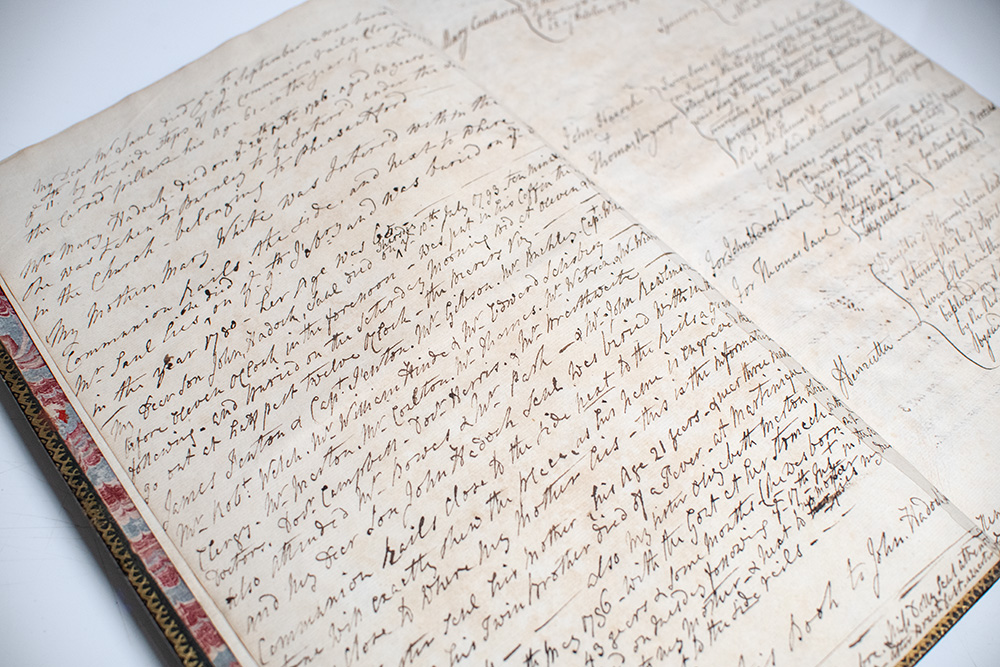
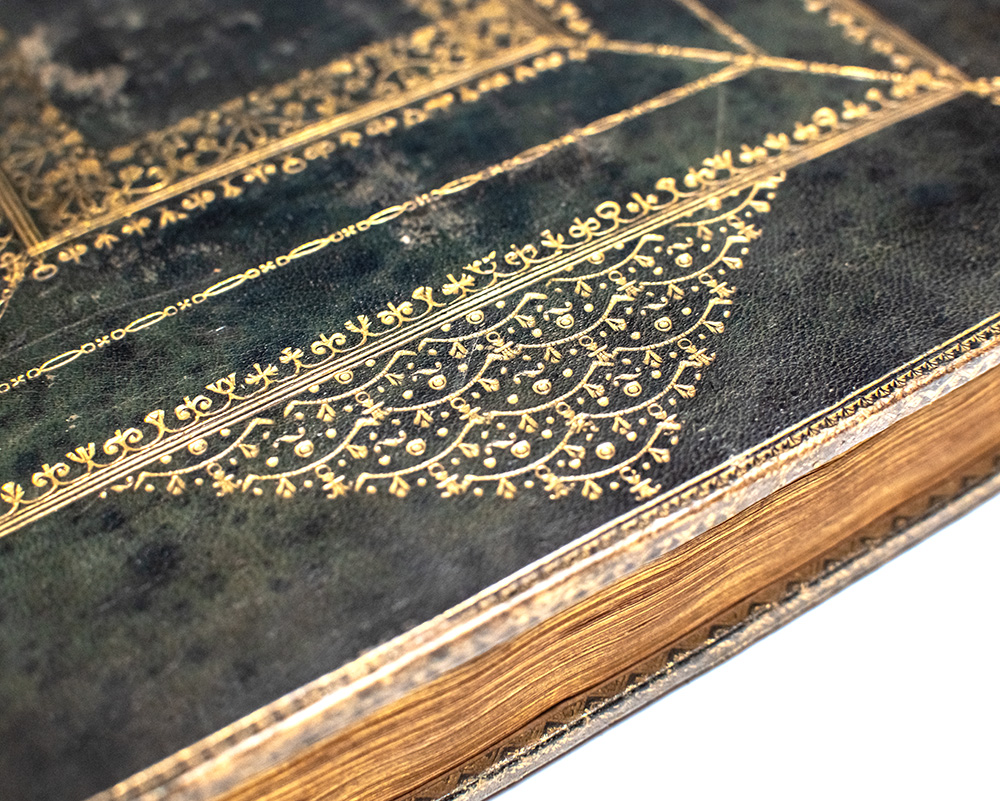
Elegantly bound 18th century English Book of Common Prayer and Administration of the Sacraments, printed by Thomas Baskett and from the library of John Bird Sumner (1780-1862), Archbishop of Canterbury from 1848 to 1862. Folio, bound in full contemporary dark green grain morocco with elaborate gilt tooling to the spine in seven compartments within raised gilt bands, elaborate gilt paneling to the front and rear panels with royal crown motif cornerpieces, gilt turn-ins and inner dentelles, marbled endpapers, additional engraved title, title in red and black, small section excised from title margin (neatly restored), engraved head- and tail-pieces, previous owner's ink signature to title and title verso, family history manuscript notes in various hands to early blanks. Provenance: From the library of John Bird Sumner (1780-1862), Archbishop of Canterbury from 1848 to 1862. Educated at Eton and King’s College, Cambridge, Sumner emerged as a leading voice of the evangelical wing within the Church of England. Before his elevation to the primacy, he served as Bishop of Chester (1828–1848), where he was known for his pastoral reforms and emphasis on clerical education. Sumner’s numerous theological works—including A Treatise on the Records of Creation (1816) and The Evidence of Christianity Derived from Its Nature and Reception (1824)—sought to reconcile faith with reason and to defend Christian doctrine against the rising challenges of skepticism and natural philosophy. As Archbishop, he presided over a period of growing tension between the evangelical and high-church movements, advocating moderation, piety, and moral earnestness. Though often regarded as cautious and conciliatory, Sumner’s influence helped shape mid-nineteenth-century Anglican thought and maintained the Church’s balance amid the theological controversies of his day. Found in the a house owned by the Sumner family. Although Sumner was not Archbishop of Canterbury at the time Queen Victoria married, it has been said that this Prayer Book was used during the Royal Wedding in Westminster Abbey. Inside was once discovered a letter by Prince Albert to the Archbishop of Canterbury, on the occasion of the death of the Archbishop's wife on February 5th 1861. Title inscribed "John Haddock Sauls Book - 26th July 1787." Title verso inscribed, "Eliz. Thornton Book ... June 6th 1752" and in another hand, "The Gift of Mrs. Eliz. Thornton to Miss Jane ... Haddock." Printed card of "Mrs H. J. G. Griffin" loosely inserted with manuscript note verso, which claims "Marriage Service Book used by the Archbishop of Canterbury when marrying H.M. Queen Victoria & The Prince Regent in Westminster Abbey." In very good condition with wear to the extremities. A stunning example of Baskett's distinguished folio edition with unique provenance.
The Book of Common Prayer, first issued in 1549 under Edward VI, arose from Thomas Cranmer’s desire for a unified liturgy that all English-speaking Protestant churches could share. Revised through the reigns of Mary I, Elizabeth I, and subsequent monarchs, it reached its enduring 1662 form and remained central to Anglican worship into the nineteenth century. Its eloquent language—majestic, rhythmic, and deeply scriptural—has been described as “a source of spiritual inspiration for most Englishmen second only to the Bible” (Printing and the Mind of Man, no. 75), shaping both private devotion and public worship for centuries. The edition printed by Thomas Baskett, Printer to the King’s Most Excellent Majesty, represents one of the most authoritative eighteenth-century productions of the text. Baskett, who held the royal patent for Bible and Prayer Book printing from 1724 to 1761, issued a number of distinguished folio and quarto editions noted for their clarity, typography, and precision. His name, frequently appearing on title pages of mid-eighteenth-century Bibles and Prayer Books, became synonymous with official ecclesiastical printing in England. Copies bearing Baskett’s imprint—often described as “Baskett Bibles”—are now prized for their craftsmanship and historical importance, embodying the union of royal authority, religious tradition, and the enduring influence of Cranmer’s liturgical vision.
The Book of Common Prayer, and Administration of the Sacraments, and other Rites and Ceremonies of the Church, According to the Use of the Church of England: Together with the Psalter, or Psalms of David, Pointed as they are to be sung or said in Churches: And the Form or Manner of Making, Ordaining, and Consecrating of Bishops, Priests, and Deacons.
$4,800.00
In Stock